
"volatile aromatics"
500 article(s) found

Coffee common sense 80% of coffee taste is determined by baking.
Baking, as the name implies, is to provide heat to coffee beans, and to produce chemical changes in the internal structure of coffee beans by heating, that is, heating converts starch in raw beans into sugar 5 or acidic substances at high temperature. substances such as cellulose will be carbonized to varying degrees by carbon, water and carbon dioxide will be evaporated, proteins are converted into enzymes, and the rest of the fat will knot.
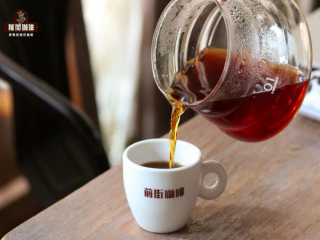
Can the flavor of hand-brewed coffee be preserved in an insulation cup? how long is the longest preservation of individual coffee insulation cups?
In the process of coffee changing from hot to cool, some aromatic flavor substances are also volatilized into the air with water vapor, so the aroma of the cooled coffee is not obvious, and because our senses have different sensitivity to the five flavors at different temperatures, so the cold coffee tastes more sour than when it is hot. It was done before Qianjie.
80% of the taste of coffee is determined by the baking company.
Baking, as the name implies, is to provide heat to coffee beans, and to produce chemical changes in the internal structure of coffee beans by heating, that is, heating converts starch in raw beans into sugar 5 or acidic substances at high temperature. substances such as cellulose will be carbonized to varying degrees by carbon, water and carbon dioxide will be evaporated, proteins are converted into enzymes, and the rest of the fat will knot.
Why is cold coffee better? How's cold coffee? Can coffee be brewed cold?
The silky texture, the sweet taste, the rich floral aroma This must be cold brewed coffee! Every coffee lover knows the difference between cold brewed coffee and traditional hot brewed coffee. Everyone is fascinated by the unique taste of cold brewed coffee. Hot or cold, coffee is made from the same ingredients: coffee powder and water. But why cold brewed coffee tastes and traditions

Analyze why cold brewed coffee makes people feel better?
Abstract: this silky taste, sweet taste, strong floral aroma, this must be cold brewing coffee! Every coffee lover knows the difference between cold brewing coffee and traditional hot brewing coffee. Everyone is fascinated by the unique taste of cold brewing coffee. Whether it is hot or cold, coffee is made from the same raw materials. The silky taste, sweet taste, full-bodied

80% of the taste of roasted coffee is determined by the roasting company.
Baking, as the name implies, is to provide heat to coffee beans, and to produce chemical changes in the internal structure of coffee beans by heating, that is, heating converts starch in raw beans into sugar 5 or acidic substances at high temperature. substances such as cellulose will be carbonized to varying degrees by carbon, water and carbon dioxide will be evaporated, proteins are converted into enzymes, and the rest of the fat will knot.
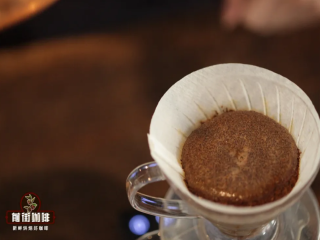
What's the use of steaming coffee by hand? Will it taste better if the coffee is steamed? Teaching of hand-brewing coffee brewing skills.
What's the use of steaming coffee by hand? Steaming allows coffee powder to fully release carbon dioxide. Hand-made coffee "steaming" makes coffee particles quickly release carbon dioxide and volatile aromatic substances by injecting a small amount of water into the coffee powder layer. at the same time, soluble sour substances will also be released in the steaming stage. Dioxin

The main factors affecting the quality of hand-brewed coffee are as follows.
The freshness of coffee beans roasted coffee beans within a week is the period of their best flavor. With the passage of time, the aromatic molecules in coffee beans continue to volatilize and absorb the peculiar smell in the air, the flavor of coffee beans will gradually lose, and the flavor has been lost after a month. Only bitter taste and bad taste leave ● water 98% of the ingredients in a cup of coffee is water. The quality and temperature of water

What is the chemical reaction in the roasting process of coffee beans? What is the thermal decomposition reaction of coffee beans during roasting
Professional coffee knowledge exchange more coffee bean information please follow the coffee workshop (Wechat official account cafe_style) what are the chemical reactions in the roasting process of coffee beans? What is the thermal decomposition reaction of coffee beans during roasting? After roasting at high temperature, coffee beans will produce a variety of charming aromas and flavors, mainly because of the chemical reactions that take place inside the beans during roasting.
Coffee roasting technology roasting determines coffee taste
Generally speaking, each coffee cherry contains two raw beans, and the fragrance is still hidden, waiting to be discovered. In raw beans, it contains a lot of chloric acid. As the baking process, chloric acid will gradually disappear, releasing familiar and pleasant fruit acid-such as acetic acid, citric acid, malic acid in wine. Baking is just right, it can present these beautiful sour taste moderately; on the contrary,

Hand siphon pot which grinding scale is the most suitable for making coffee
Hand siphon pot apparatus which grinding scale is the most suitable for making hand coffee requires instruments such as filter cups, filter paper and fine pots, while siphon pots, alcohol lamps or light stoves are needed to make siphon coffee. The difference of the instruments used also leads to the difference of the filtering methods between the two. In filtering equipment, hand coffee uses filter paper, while most siphon pots use flannel.

Coffee roasting curve how to see flavor description taste treatment method production area variety grinding scale introduction
Coffee roasting curve how to look at the flavor description of the taste treatment method of the production area variety grinding scale introduction With the continuous absorption of heat, more and more volatile gases (mainly water vapor) have accumulated in the coffee beans, which leads to the pressure in the beans far exceeding the external atmospheric pressure, even reaching 25 atmospheres (2533 kPa), such a high internal pressure accumulation, like a small bomb, the most

Introduction to the characteristics of Hartmann Coffee Bean Flavor description treatment with excellent sweetness
The red wine treatment method refers to the fermentation process of the wine treatment, and the selected coffee cherries are put into a sealed metal container for anaerobic fermentation, and the PH value in the fermentation process, the type and number of bacteria involved in fermentation are controlled purposefully, even temperature and humidity, to ensure the quality of coffee beans, closed fermentation makes the aromatic substances more difficult to volatilize.

How to make coffee powder? The grinding of coffee powder can make the overall flavor of coffee different
Professional coffee knowledge exchange More coffee bean information Please pay attention to Coffee Workshop (Weixin Official Accounts cafe_style) We are often asked about the best way to make coffee at home; what machine should I buy? What brewing method should I use? What is the ideal brew ratio of this and those beans? Sometimes, these questions are easy to answer, but sometimes it takes more digging to get there.
The origin of coffee and the method of making and brewing coffee
Coffee is English transliteration of Coffee, it is coffee tree seeds roasted coffee beans ground into powder and then brewed from the beverage. Coffee originated in Ethiopia, Africa. There are many accounts about its discovery. One of the legends accepted by most people is that about 3000 years ago, a shepherd saw his sheep eat an unnamed

Why is the coffee bean flavor of Arabica better than that of Robusta?
For information, please follow the coffee workshop (official Wechat account cafe_style) and the two important reactions are caramelization (caramelization, oxidation and browning of sugars) and Mena (Maillard reaction, reaction of amino acids with sugars). Both reactions require the participation of sugars, and the rich sucrose in raw beans provides these two reactions.

To what extent will the thickness of coffee powder affect coffee brewing?
Professional coffee knowledge exchange more coffee bean information Please pay attention to the coffee workshop (Wechat official account cafe_style) extraction failure, a very important factor is the mismatch between the grinding thickness of coffee and the extraction time and method. The grinding thickness of coffee can expose all volatile aromatic substances in coffee beans. The grinding thickness will have a great effect on the extraction of your coffee.
Six conditions for coffee
The roasting of coffee beans pursues the perfect combination of six conditions: color, aroma, sour, sweet, bitter and body (the so-called round and mellow texture). In addition to the "color" is the quality of the appearance of coffee beans, the other five conditions are completely displayed between the tongue full of taste buds and the cheeks such as the upper and lower jaw, so the next time you drink coffee, don't rush to add sugar and cream. Try

The source of coffee and the method of making and blending coffee.
Coffee is the transliteration of English Coffee. It is a drink made from roasted coffee beans, ground into powder and then brewed. (1) A brief introduction to Coffee 1. The origin of coffee Coffee originated in Ethiopia in Africa. There are many theories about discovering it, among which a legend accepted by most people is that about 3000 years ago, a shepherd saw the sheep he was herding ate a kind of nameless food.
The harm of instant coffee
The first is essence: it starts with the production process of instant coffee. Instant coffee is produced by drying after extracting active ingredients from roasted coffee beans. In this process, some aromatic substances will inevitably be lost, so that the flavor and taste of the finished product is not as rich and pure as that of directly roasted coffee. The production process is generally as follows: pretreatment, roasting, grinding, extraction, concentration and drying, in which the pretreatment is